
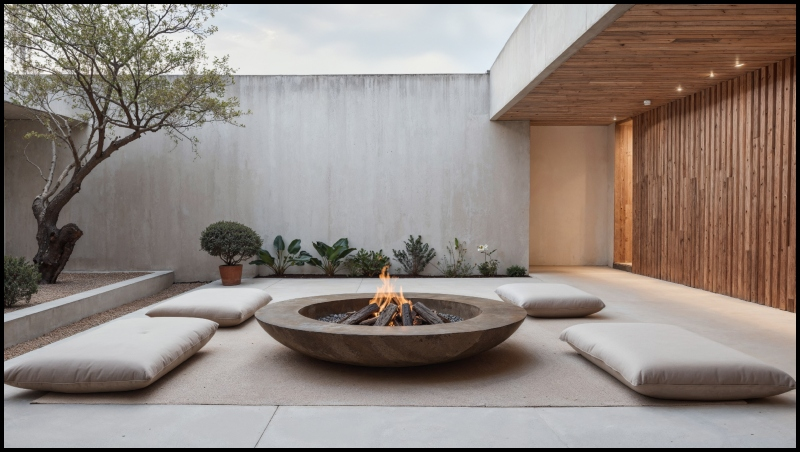
Have you ever looked at your patio and wished it could feel more beautiful, cozy, and welcoming? The good news is that you do not need a huge budget or a complete makeover to create an outdoor space you love. With the right ideas, even an old or boring patio can become your favorite place to relax.
In this guide, you will discover how to renovate your patio step by step, from planning your budget to choosing the right flooring, comfortable furniture, and beautiful plants. You will also learn how simple changes, such as adding warm lights, colorful cushions, and a little greenery, can make a big difference.
But a beautiful patio is not just about looks. It should also be safe, comfortable, and easy to maintain. That is why we will explore smart ways to improve drainage, create shade, make better use of small spaces, and choose materials that suit your local weather.
Whether you want a peaceful corner for morning coffee, a cozy place for family gatherings, or a stylish outdoor area for guests, there is an idea for you. We will also cover common mistakes to avoid so you can save money and get better results.
Ready to turn your ordinary patio into a space you will love spending time in? Let’s get started!
1. Start by Checking Your Patio
Before you begin renovating your patio, take a good look at its current condition. Check the floor, walls, furniture, plants, and seating area. Look for broken tiles, loose stones, cracks, or places where rainwater collects. These small problems may not look serious, but they can become bigger if you ignore them.
Think about what you dislike most about your patio. Is it too empty, too old, too sunny, or difficult to use? Write down the changes you want to make. You do not need to replace everything to get a fresh look. Sometimes, cleaning the floor, moving furniture, or adding a few plants can make a big difference. Start with the problems that affect safety and comfort before spending money on decoration.
2. Set a Budget Before You Begin
A clear budget helps you renovate your patio without spending more than you can afford. First, decide how much money you can comfortably spend. Then, make a list of the most important changes, such as repairing the floor, improving seating, adding shade, or installing lights.
You do not need to buy everything at once. If your budget is small, start with cleaning, repairing damaged areas, and improving the furniture you already own. Save larger projects for later. It is also wise to keep some extra money for unexpected repairs, because removing old flooring may reveal hidden problems.
Compare prices from different stores before buying materials. Focus on quality and usefulness instead of choosing items only because they look attractive. A simple, well-planned patio can look beautiful without expensive furniture or decorations.
3. Plan the Layout of Your Patio
A good layout makes your patio feel comfortable and easy to use. Before moving furniture or buying anything new, decide how you want to use the space. You might want a quiet corner for reading, a dining area for family meals, or a comfortable place to welcome guests.
Measure the available space and consider the size of your furniture. Leave enough room for people to walk comfortably without bumping into chairs, tables, or plant pots. If your patio is small, choose furniture that fits the area instead of filling every empty corner.
You can also divide a larger patio into simple sections. For example, place a table and chairs in one area and a small sofa in another. Keep doors and walking paths clear. A thoughtful layout helps your patio feel organized, spacious, and useful throughout the day.
4. Choose the Right Patio Flooring
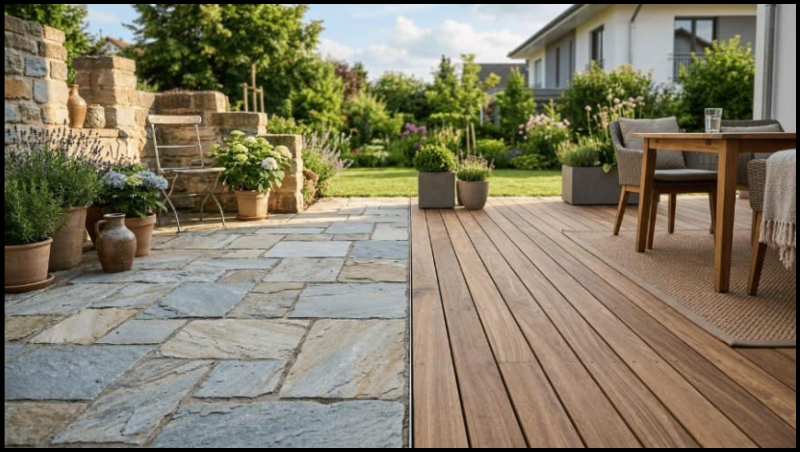
The floor is one of the most important parts of your patio because it affects both its appearance and safety. Old, cracked, uneven, or slippery flooring can make the entire area look unattractive. Before choosing a new surface, check whether the existing floor can be cleaned or repaired instead of completely replaced.
You can consider outdoor tiles, concrete, stone pavers, or wooden decking. Each option has a different appearance, price, and maintenance needs. Choose a material that suits your local weather and is suitable for outdoor use. A surface with good grip is especially important when the floor gets wet.
Drainage also matters. Rainwater should not collect on the patio or flow toward your home’s walls. If you notice standing water, sinking tiles, or serious cracks, ask a qualified professional to inspect the area before installing new flooring.
5. Refresh Your Patio Furniture
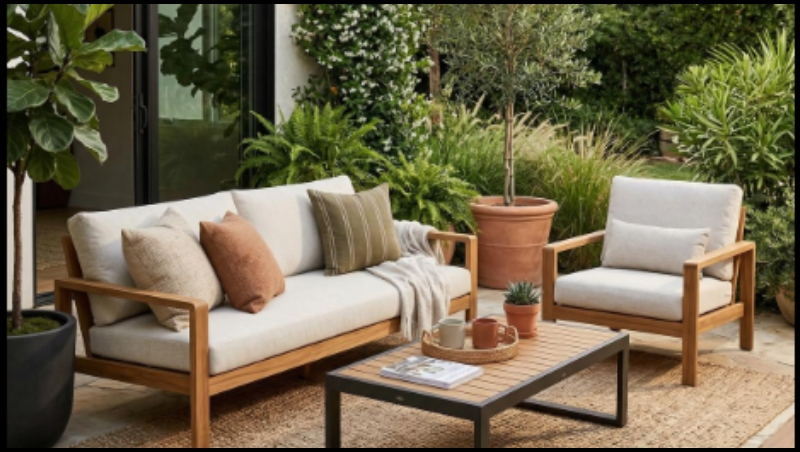
Comfortable furniture can completely change how your patio looks and feels. You do not always need to buy a new sofa or dining set. Start by cleaning your existing furniture and checking whether it needs small repairs. Wooden chairs may benefit from suitable outdoor treatment, while metal furniture may need rust removal and repainting.
If your furniture is still in good condition, give it a fresh look with new cushions, simple covers, or colorful pillows made for outdoor use. Choose materials that can handle sunlight and moisture. For a small patio, folding chairs, compact tables, or storage benches can help save space.
Try to match your furniture with the overall style of your home. Natural wood, soft colors, and simple designs can create a calm atmosphere. Most importantly, choose seats that are comfortable enough for relaxing, chatting with friends, or enjoying a morning cup of coffee.
6. Add Plants and Greenery
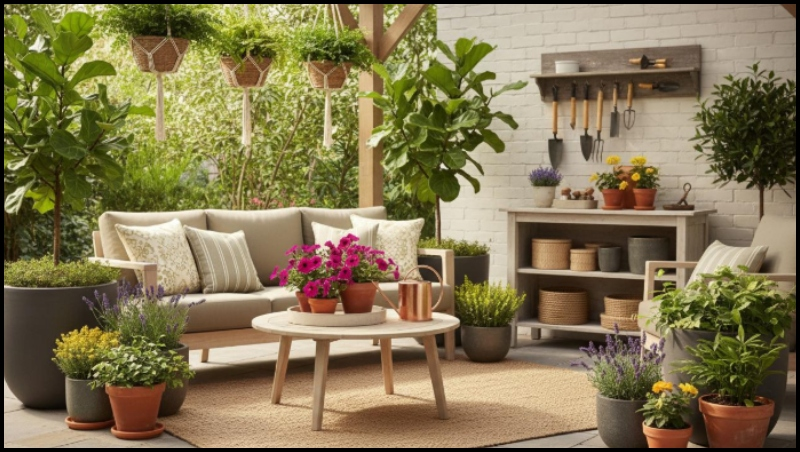
Plants are an easy way to make a patio feel fresh and welcoming. They add color, natural beauty, and a relaxing atmosphere without requiring a complete renovation. You can use flower pots, small shrubs, hanging planters, or herbs, depending on the space you have available.
Choose plants according to the sunlight your patio receives. Some plants grow well in direct sunlight, while others prefer shade. If you are new to gardening, start with a few easy-to-care-for plants rather than filling the entire area with greenery.
For a small patio, use vertical planters or place pots along the edges to keep the floor open. Grouping a few plants together can also create a more organized look. Remember to choose pots with proper drainage and avoid overwatering. Healthy plants will make your renovated patio look more attractive while keeping maintenance manageable.
7. Improve Lighting for Evening Comfort
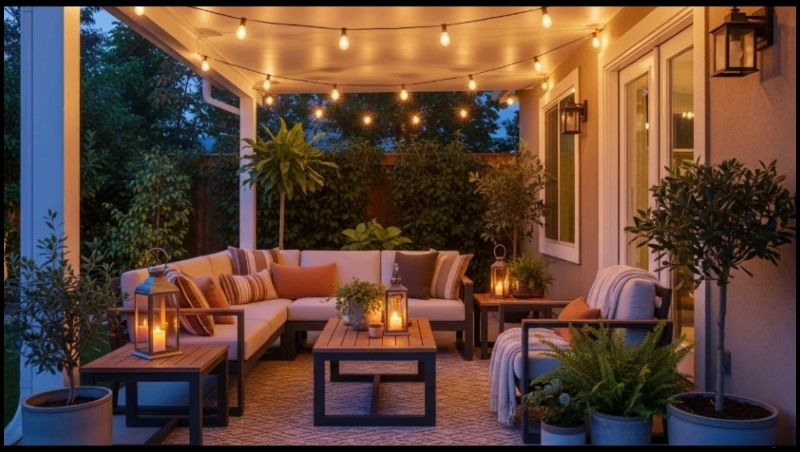
Good lighting allows you to enjoy your patio after sunset. It can also make the area feel warm, peaceful, and inviting. You do not need a complicated lighting system to achieve this effect. A few carefully placed lights can be enough to improve the entire space.
String lights are a popular choice for creating a cozy atmosphere. Solar-powered garden lights can brighten pathways, while suitable wall lights can help illuminate seating areas. If you have steps or uneven flooring, make sure those areas are clearly visible to reduce the risk of trips and falls.
Choose outdoor-rated lights that can handle the weather in your area. Keep electrical connections protected from rain, and use a qualified electrician for new outdoor wiring. Avoid making the patio too bright. A balanced combination of soft lighting and practical illumination will help create a comfortable place for evening meals and family gatherings.
8. Create Shade and Protect Your Privacy
Shade can make a major difference, especially when your patio receives strong sunlight. Without enough protection, the seating area may become too hot to enjoy during the day. Depending on your budget and available space, you can use a large outdoor umbrella, a shade sail, an awning, or a pergola.
Before choosing a shade option, notice where sunlight falls during different times of the day. Select a solution that covers the areas where you usually sit. Make sure umbrellas and other freestanding items are properly secured, particularly in windy weather.
If your patio feels too exposed to neighbors, consider outdoor curtains, privacy screens, or tall potted plants. These additions can make the space feel more private without building a solid wall. Choose materials that allow enough airflow and suit your local weather. The goal is to create a patio where you can relax comfortably without feeling too hot or exposed.
9. Choose a Simple and Beautiful Decor Style
Decorative details help give your patio its own personality. However, adding too many colors, patterns, and accessories can make the space feel crowded. Start by choosing a simple style that matches your home. If you want more ideas for making your indoor space look beautiful, explore our guide on how to decorate my house.
You can use outdoor rugs to define a seating area, while cushions and throws can add warmth and color. Decorative pots, lanterns, and a small coffee table can also improve the overall look. Choose items that are suitable for outdoor use and easy to clean.
You can reuse things you already own if they are safe and weather-resistant. For example, an old table might look fresh after suitable repainting, or existing planters may work well with new plants. Keep decorations balanced and leave enough open space to move around. A few well-chosen details often create a better result than filling every corner with accessories.
10. Make Your Patio More Useful
A beautiful patio should also meet your everyday needs. Think about what would make the space more practical for you and your family. If you enjoy eating outdoors, create a small dining area. If you prefer relaxing, focus on comfortable seating and shade. You can even create a reading corner with a chair, a small table, and soft lighting.
Storage is another useful feature. A weather-resistant storage bench or outdoor cabinet can keep cushions, gardening tools, and other items organized. This helps protect your belongings and prevents clutter from taking over the space.
If your patio is small, choose furniture that serves more than one purpose. A bench with storage or a folding table can save valuable room. Keep frequently used items easy to reach and make sure walking paths remain clear. When the space is designed around your real needs, you are more likely to use it regularly instead of leaving it empty.
11. Avoid Common Patio Renovation Mistakes
One common mistake is buying new furniture and decorations before checking the condition of the patio itself. If the floor is uneven or water collects after rain, these problems should be addressed first. Otherwise, you may end up spending more money fixing damage later.
Another mistake is choosing materials only because they look attractive. Outdoor surfaces and furniture must be able to handle sunlight, rain, temperature changes, and regular use. Always check whether a product is suitable for outdoor conditions before buying it.
It is also easy to overcrowd a patio with too many chairs, pots, and decorative items. Keep the layout simple and leave enough space to move comfortably. Avoid ignoring maintenance, too. Even beautiful patios need regular cleaning and occasional repairs. Finally, do not attempt major structural, drainage, or electrical work without the right skills. Getting professional help when needed can protect your home, your budget, and your safety.
12. Keep Your Renovated Patio Clean and Beautiful
Once your renovation is complete, regular care will help your patio stay attractive for longer. Sweep away leaves and dust, clean the floor when needed, and wipe down tables and chairs. Check cushions for moisture and store them in a dry place when they are not being used for long periods or when bad weather is expected.
Look at your plants regularly and remove dead leaves. Clear drains and drainage channels so rainwater can flow away properly. Check outdoor lights, furniture joints, and flooring for signs of wear or damage. Fix small problems early before they become expensive repairs.
Your maintenance routine will depend on the materials you choose. For example, wooden decking may need occasional treatment, while some stone surfaces require special cleaning products. Follow the manufacturer’s care instructions instead of using harsh chemicals that could damage the finish. A little attention each week can keep your patio comfortable, safe, and ready for everyday use.
Conclusion
Renovating your patio does not have to be difficult or expensive. With careful planning, a realistic budget, and the right improvements, you can turn an ordinary outdoor area into a beautiful place to relax and spend time with family and friends.
Start by checking the existing space, fixing important problems, and choosing a layout that suits your needs. Then improve the flooring, furniture, plants, lighting, and shade according to your budget. Remember that comfort, safety, and easy maintenance matter just as much as appearance.
You do not need to complete every change at once. Begin with the improvements that will make the biggest difference, and add decorative touches over time. The best patio is not necessarily the most expensive one. It is the space that feels welcoming, works well for your lifestyle, and makes you want to spend more time outdoors.
Disclaimer
The information in this article is provided for general educational and informational purposes only. Patio renovation costs, materials, and results may vary depending on your location, weather, budget, and the condition of your outdoor space. Always follow product instructions and local building rules. For structural repairs, drainage problems, or electrical work, consult a qualified professional. We are not responsible for damage, injury, or loss resulting from the use of the information provided in this article.
For more information or suggestions, Please Contact us.
Pingback: 15 Small Home Office Ideas to Maximize Your Space -